Self-Service Blockchain Platform
Role
Full-Stack Engineer — Architecture · Backend · Frontend · DevOps
Stack
NestJS · Kubernetes · Hyperledger Fabric v2 · Ansible · Helm · React · Next.js · TypeScript · CloudNativePG · nginx
Standing up a permissioned blockchain network — Certificate Authorities, peers, orderers, MSP, channels and chaincode — took days of error-prone manual operations for every organization. It had to become self-service, fully isolated per tenant, and repeatable.
What we did
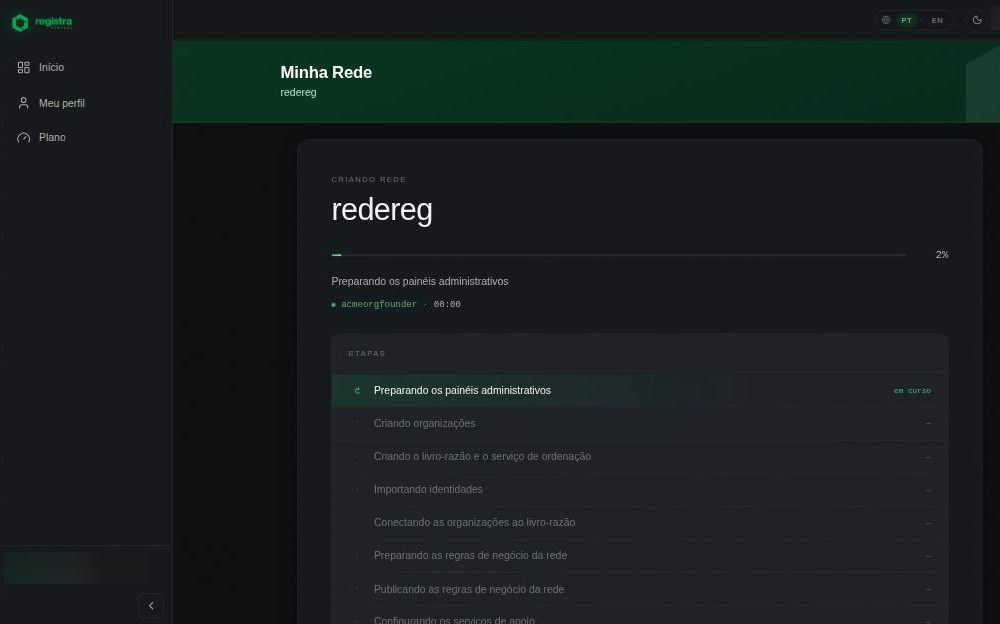
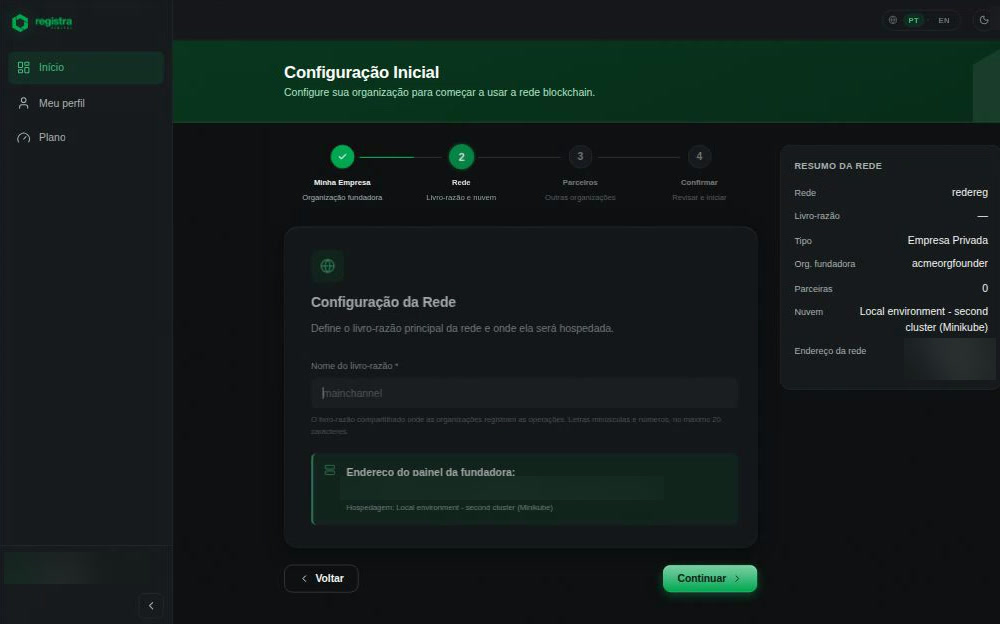
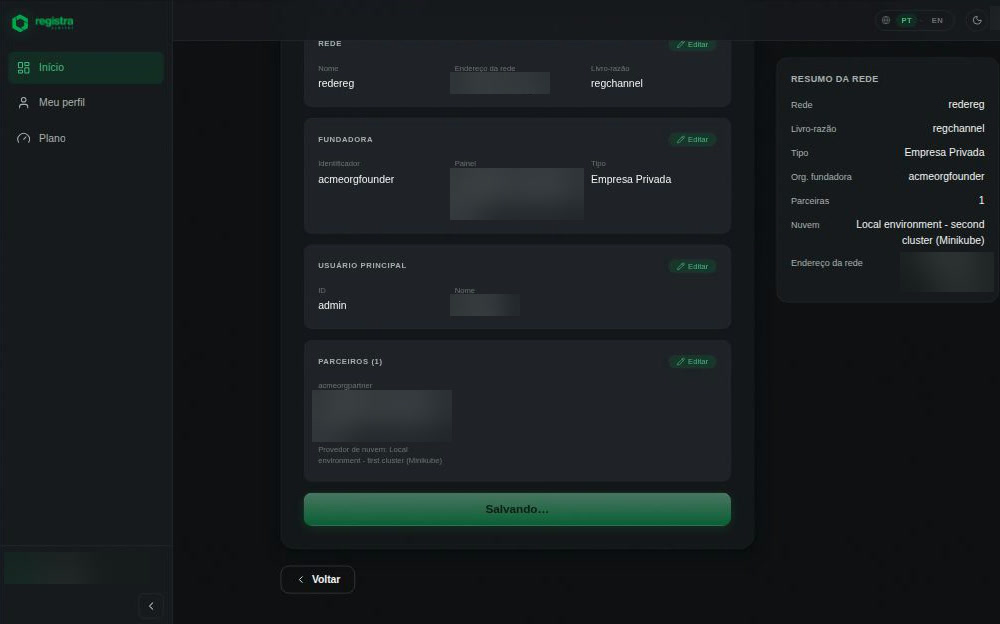
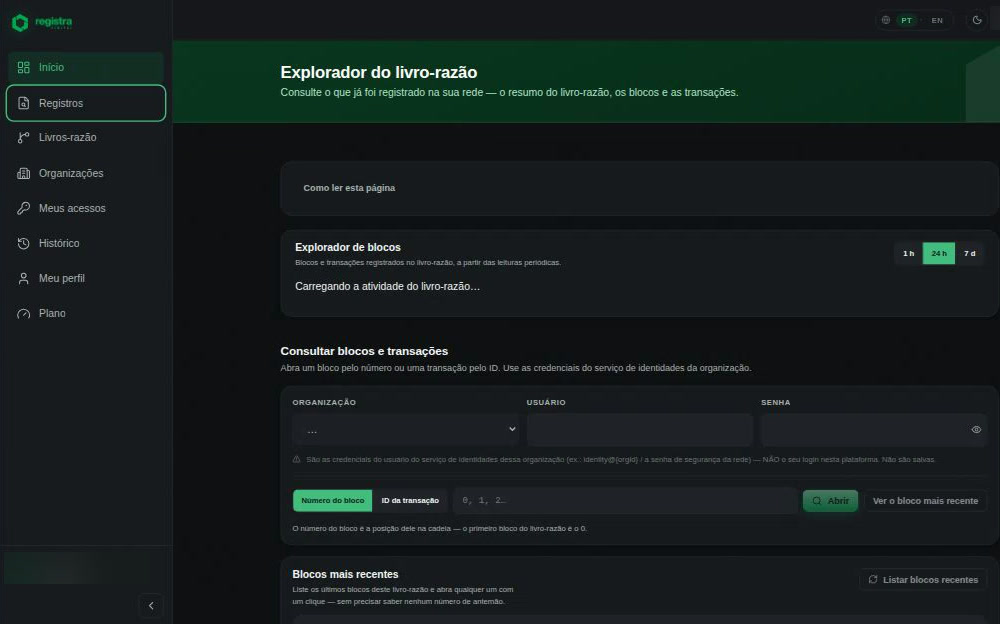
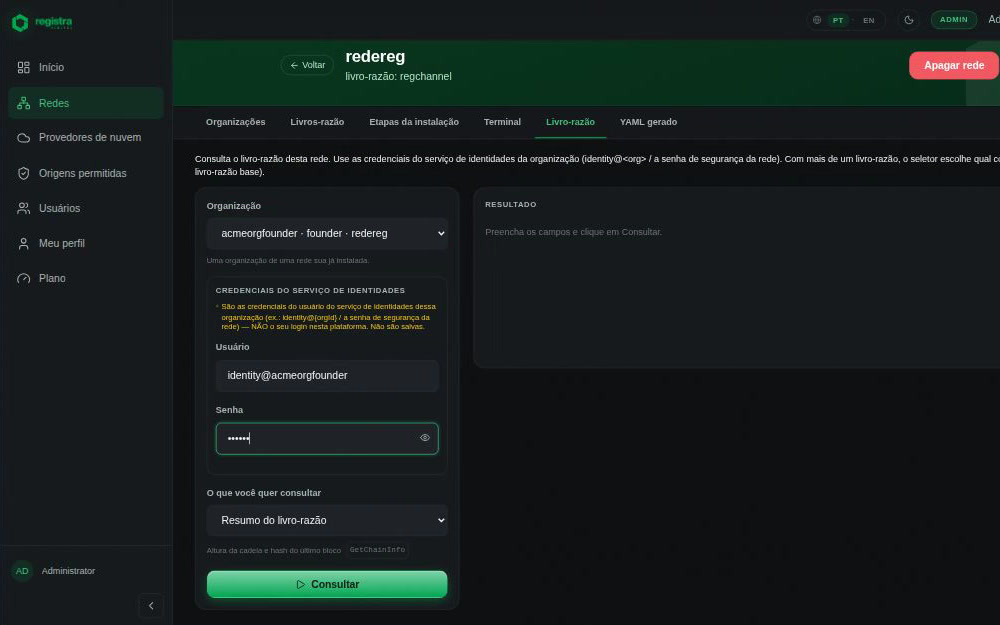
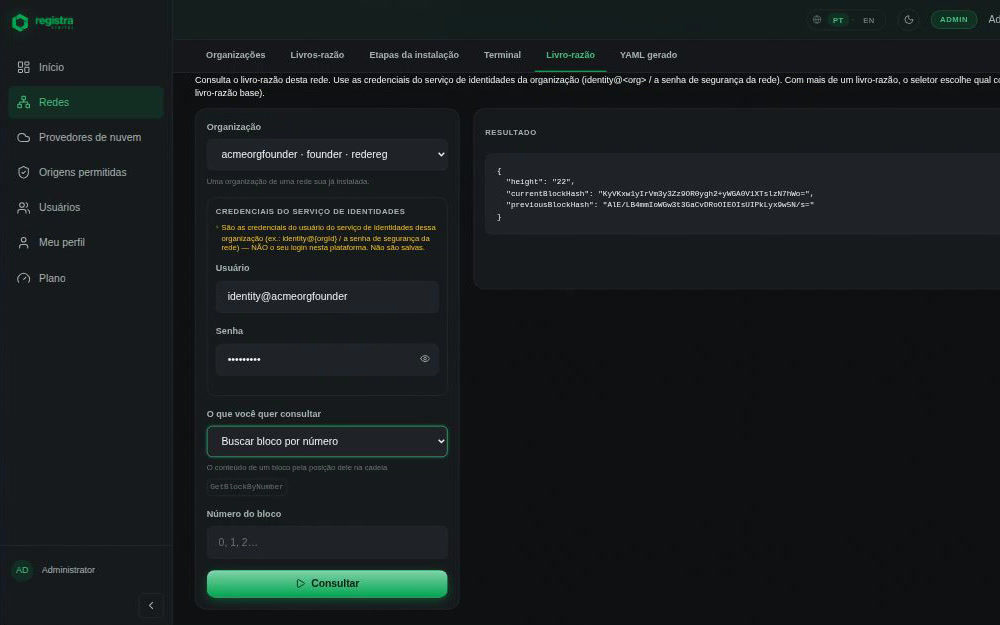
We architected an 11-step deployment pipeline in NestJS that orchestrates Ansible playbooks against the Kubernetes API through the IBM Blockchain Platform Operator, with real-time log streaming over SSE, namespace-per-organization isolation, and provider-agnostic JWT + RBAC auth. The full Hyperledger Fabric v2 chaincode lifecycle — package, install, approve, commit — is automated with dynamic per-organization YAML via Helm, plus on-chain asset tokenization. A React/Next.js front-end exposes a real-time network build viewer and a role-based admin dashboard with full CRUD across every network.
We turned days of manual Fabric infrastructure into an 11-step, self-service pipeline isolated per organization.
Numbers
Days → Min
Setup time
Per-org
Tenant isolation
11
Pipeline steps
Fabric v2
Blockchain
K8s
Orchestration
Self-serve
Provisioning
Results
We cut blockchain network setup from days of manual work to minutes
Fully isolated Fabric networks provisioned self-service through a 5-step wizard
Real-time build visibility via SSE log streaming
Provider-agnostic auth (JWT + RBAC) ready for Auth0/OIDC
Next project
NERO — Men's Smartcare